Skip to content
/ Bee Gagliardi Ecosystem Engineer

Hack a life you love.

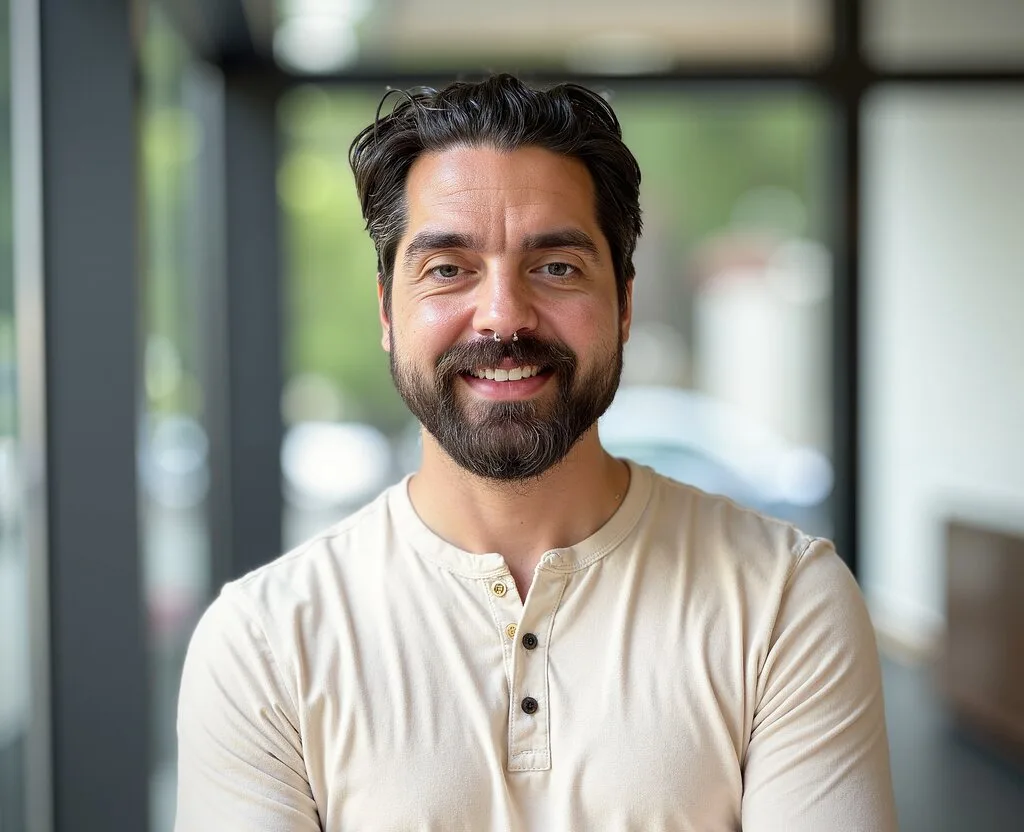
[ Fig. 1 ]bee.webp
Bee Gagliardi
Fig. 1 — Bee Gagliardi

My legal name is Bram Gagliardi. I grew up in the Netherlands and moved to the US a decade ago. Then I learned that when a Dutch guy rolls his R's, Americans hear three different letters. My wife started calling me Bee. Now everyone does.

I've been building on the internet since I was a teenager. Front-end, back-end, DevOps, application security, bug bounties. Somewhere along the way I realized I didn't care much about breaking systems for sport. I cared about a different kind of hacking.

Getting the system to do what you actually meant.

That goes for a product, an open-source agent hub, my Obsidian vault, and my mornings with my family in Virginia. You build a life and a way of working you love by cutting the steps between what you mean to do and what actually happens.

Action at the speed of thought

/01

I keep an old developer line in my notes: you only have so many keystrokes left before you die.

Most days get eaten by paper cuts. Reshaping a thought to fit some tool's folder structure. Filling out a ten-field form to ask a one-line question. Digging through four tabs for an answer someone wrote eight months ago.

Martial arts has a name for the moment the gap between intent and action disappears: mushin no shin, mind without mind. I call it flow.

I test everything on my own life first:

/01 · Voice to action

I walk the neighborhood talking through an idea. By the time I'm back at my desk, it's in my local-first Obsidian vault, already sorted by custom AI skills.

/02 · Zero wasted motion

Vim bindings everywhere. Caps Lock remapped. Right Command wired as a Hyper Key into Raycast and Ghostty. The tool disappears and the work stays front and center.

/03 · Explosive endurance

Life and the pace of AI are a marathon and a sprint at the same time. So I keep boring, repeatable daily habits: lifting, burpees, walking, family dinner. When a moment needs a sprint, I've got the legs for it.

I came in through the side door

/02

I didn't get into community or customer experience through a marketing department. A hacker referred me.

Years ago I was hanging around bug bounty communities like Bugcrowd, HackerOne, and NahamSec's circle. I wrote code, hunted bugs, and kept noticing the same spots where researchers got stuck. The answers were already in the community—just buried in scrollback or scattered across threads.

So I showed up, made the good work findable, and built small systems—bots, guides, and workflows—that removed steps and got people back in flow. A white-hat hacker saw it and referred me into Bugcrowd.

People do their best work together when they can stay in flow, the work is visible, and trust is high. I've built the conditions for that in three rooms since:
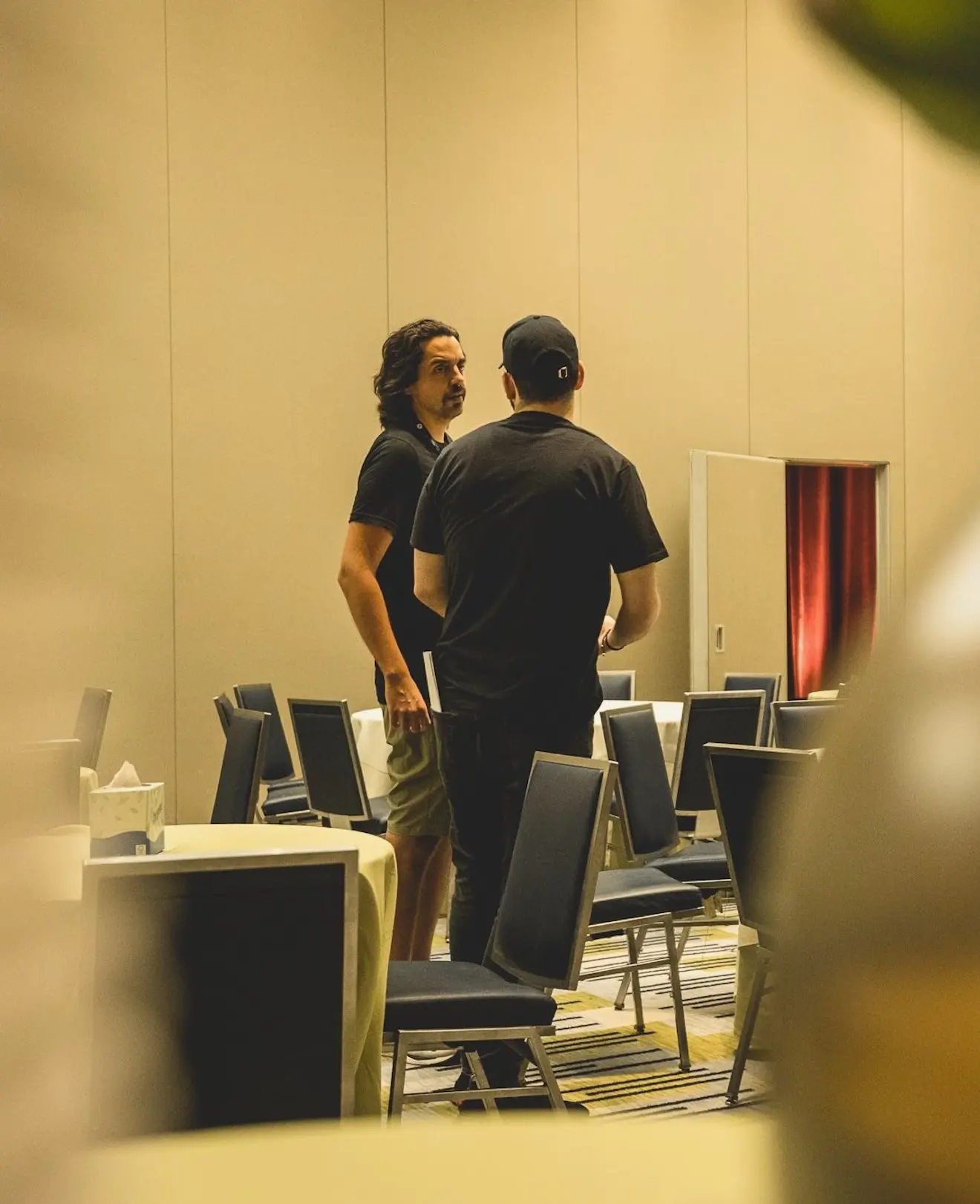
[ Fig. 2 ]bee-naham.webp
Bee talking with NahamSec at a conference
Fig. 2 — Bee & NahamSec
/Bugcrowd

Researchers

Researchers kept opening repeat tickets because help was organized around internal teams, not around how a hunt actually works. I rebuilt the route around what researchers were trying to do. Support tickets dropped 10%. Repeat questions dropped 25%.

/ExtraHop

Customers

Product, docs, support, community, and training were five separate tracks. With no direct reports, I got Support, Product, R&D, and IT to rebuild self-service and community routing together. In six months, community-assisted resolution went from 4.96% to 8.8%, and cost-to-serve dropped by $192K+ a year.

/Tenable

Builders & Agents

Now I'm building the CyberAgents Exchange, a vendor-agnostic, open-source community where security practitioners find, share, and combine AI agents, skills, MCP servers, and playbooks—making contribution a 3-step flow, spotlighting builders, and keeping trust high.

Be a kingmaker

/03

In my notes, under Dharma, there's one line: Become a kingmaker.

The best communities and the best careers aren't one person dragging everyone along. They're a flywheel that puts the people in the arena front and center.

That's why I started Hive Five in January 2021, four months before my first formal CX role. I started it to keep track of the best tools, writeups, and hidden gems across security, AI, and engineering—and pass them on. 290 issues later, it goes out most Mondays to 4,300+ security practitioners, builders, and curious minds, so the people pushing the craft forward get credit. No digging, no doom.

"The person you help today becomes the one whose answer helps the next hundred."

What I believe about systems (and life)

/04

  1. /01
    Every workaround is a request with evidence attached.

    A customer keeping a shadow spreadsheet. Me duct-taping a script onto my phone because an app takes four taps too many. A workaround shows you exactly where the system fought someone's intent.

  2. /02
    In good hands.

    Borrowed from Steph Ango, CEO of Obsidian. You can tell in seconds when something was made with a clear point of view and real care for the person using it. I try to build that feeling into every workflow, every issue, every product path.

  3. /03
    Intent, community, trust.

    Keep people in flow: fix the paper cuts so systems do what people mean, from the first step to the last, without a translation tax. Make good work findable: carry the best answer from the person who solved it to the next person who needs it. And keep trust high: put every step in the right hands—plain code, an AI agent, or a human—so the answer holds up every time.

Pick a door.

Ecosystem Review · $1,500 · 5 business days · no internal access required